Why This Emma Book Review Matters to the Weary Mother
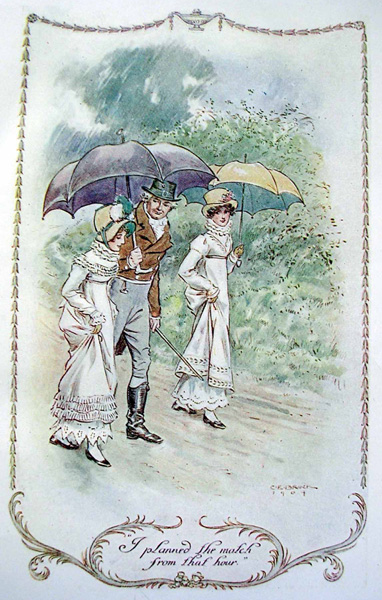
Returning to Emma does not feel like revisiting a classic so much as stepping back into a familiar room. Laughter lingers there. So do mistakes, affection, and the slow work of self-correction, all mingling like sunlight across old hardwood floors. For many mothers, reopening Jane Austen’s novel becomes an act of recognition rather than analysis.
This Emma book review invites you to encounter Austen’s heroine not simply as a literary figure, but as a companion in the long, uneven formation of young womanhood—both your daughter’s and your own. Emma Woodhouse carries the bright contradictions of youth: confidence without experience, imagination without restraint, kindness mixed with misjudgment. Watching her mature invites tenderness rather than critique. Her story reminds us that wisdom rarely arrives all at once, and that grace often ripens quietly.
For a mother walking beside a teenage daughter, Emma offers something rare. Instead of urgency or moral panic, it presents maturity as a gradual unfolding shaped by error, humility, affection, and time. Slowness, Austen seems to say, is not failure. It is the natural pace of becoming.
Growing Slowly: A Literary Meditation in Emma
Emma’s arc is among the quietest in English literature—and also among the most honest. No catastrophe forces her growth. No dramatic reversal reshapes her life. Instead, formation happens in parlors and gardens, through conversations that sting, silences that teach, and misunderstandings that reveal more than they resolve.
Austen treats this process with remarkable gentleness. Emma’s mistakes—her interference, her certainty, her imaginative overreach—do not disqualify her. They apprentice her. Each misstep becomes part of her education, not a verdict against her character. This is why mothers recognize themselves so readily in the story. Growth, whether in ourselves or in our daughters, rarely announces its arrival. More often, it enters through embarrassment, apology, and newly softened vision.
Humility in Emma does not arrive as humiliation. It arrives as clarity. Self-awareness dawns slowly. Affection reveals blind spots. Correction comes wrapped in love. Charlotte Mason’s reminder that “education is a life” feels particularly apt here. Austen might add that education is also mercy.
What Emma Restores in the Mother’s Heart
For a mother navigating the emotional weather of adolescence, Emma becomes more than an enjoyable read. It offers reassurance. Confidence paired with naivety is not rebellion; it is youth stretching toward adulthood. Strong opinions, emotional intensity, quick judgments, and tender insecurities appear not as character flaws, but as early drafts of womanhood.
Reading Austen loosens the mother’s grip. Trust begins to replace urgency. Formation, the novel reminds us, cannot be rushed without being damaged. Gentleness grows through experience. Humility takes time. Maturity often follows missteps rather than preceding them. And love—especially steady, faithful love—quietly tutors the soul.
Wendell Berry once observed that “it may be that when we no longer know what to do, we have come to our real work.” Emma Woodhouse discovers this truth page by page. In time, our daughters will as well.
The Founder’s Lens: Emma and the Creative Calling™
Seen through the Founder’s lens, Emma traces a movement from creativity without wisdom toward creativity shaped by restraint. Early in the novel, Emma imagines herself as arranger and improver of other people’s lives. She invents narratives, orchestrates outcomes, and “helps” without discernment. Her imagination runs ahead of charity.
As self-knowledge deepens, that creativity changes. Listening replaces control. Attention sharpens. Affection steadies her vision. Imagination begins to serve rather than direct. This shift mirrors the heart of the Creative Calling™—creativity offered as stewardship rather than self-expression.
What mothers hope to cultivate in their daughters appears here with clarity. Imagination matures when it submits to humility. Beauty deepens when it learns to love. Austen’s novel gently rehearses this truth again and again.
Living with Emma in a Well-Provisioned Home™
Reading Emma alongside a teen daughter does not require assignments or analysis. The novel itself invites integration through conversation, shared noticing, and unhurried reflection.
In the realm of history and literature, the story opens a living window into Regency England. Manners, expectations, and social hierarchies become topics of quiet discussion rather than formal study. Questions arise naturally. What freedoms does Emma enjoy that others do not? Which virtues shape her growth? How does character matter more than status?
Writing and rhetoric emerge through imitation rather than pressure. A daughter might sketch a brief portrait of Harriet, attempt a short dialogue in Austen’s style, or reflect on a moment when Emma misjudges and later understands more clearly. These small acts strengthen expression without strain.
Logic finds its place through gentle discernment. Emma’s mistaken assumptions offer a humane introduction to cause and effect. What did she overlook? Why did her conclusion feel reasonable at the time? How did humility alter her understanding? Such questions train careful thinking without criticism.
Virtue formation unfolds quietly as well. Apologies, softened judgments, and growing attentiveness become points of shared reflection. No moralizing is required. The story does its own work.
Even the fine arts enter naturally. Regency paintings, music, architecture, or dress invite imaginative sympathy rather than projects. Beauty, once again, teaches by presence.
Reading Emma Without Pressure
Let the novel accompany life rather than control it. Read aloud when possible. Move slowly. Allow chapters to linger. Speak about what made you smile or ache instead of searching for themes. Treat the book as shared company rather than curriculum.
This is not a test. It is common life.
When approached this way, Emma restores pace before it instructs plans. It steadies the mother’s heart even as it shapes the daughter’s imagination. And in doing so, it quietly affirms what weary mothers most need to hear:
Formation takes time.
Wisdom grows slowly.
And love is patient enough to wait.

Be the first to comment